 Pin It
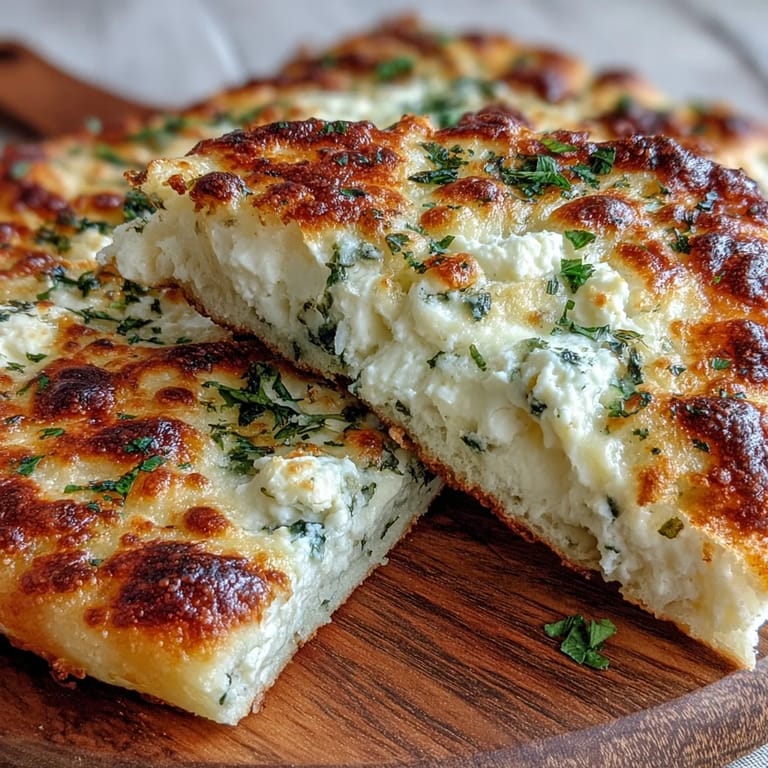
 I stumbled onto this flatbread purely by accident, having leftover cottage cheese I needed to use before it turned. The dough came together faster than I expected, and the first one puffed up in the skillet like a small miracle. The garlic and herbs perfumed the kitchen in minutes, and I ate two straight off the pan, burned fingers and all. Now I make them every week, sometimes on purpose, sometimes just because the craving hits.
The first time I served these at a casual dinner, no one believed they started with cottage cheese. My friend kept asking what made them so fluffy, and when I told her, she stared at me like Id revealed some ancient secret. We ate them folded around roasted vegetables and feta, still warm, laughing at how something so simple could feel so indulgent. That night cemented this recipe as a regular in my rotation.
Ingredients
- All-purpose flour: The foundation here, giving structure without heaviness, and a little extra for dusting keeps things from sticking when you roll.
- Baking powder: This is what creates those airy pockets and lift, making each flatbread tender instead of dense.
- Fine salt: Balances the mild tang of the cheese and sharpens every other flavor in the dough.
- Garlic powder: Optional but worth it, adding a whisper of savory warmth that blooms when the dough hits the heat.
- Full-fat cottage cheese: Drain it well or the dough gets too wet, and the richness here is what makes the texture so plush.
- Large egg: Binds everything together and adds a subtle richness that helps the flatbreads brown beautifully.
- Olive oil: A tablespoon in the dough and a bit more for cooking keeps them soft and prevents any hint of dryness.
- Fresh chopped herbs: Parsley or chives bring brightness, though Ive skipped them in a pinch and the flatbreads still shine.
- Water: Just a splash if needed, because humidity and flour brands vary, and you want a soft dough, not a stiff one.
Tired of Takeout? 🥡
Get 10 meals you can make faster than delivery arrives. Seriously.
One email. No spam. Unsubscribe anytime.
Instructions
- Combine the dry ingredients:
- Whisk the flour, baking powder, salt, and garlic powder in a bowl until no streaks remain. This ensures every bite has even seasoning and lift.
- Mix the wet ingredients:
- Mash the drained cottage cheese with the egg, olive oil, and herbs using a fork until mostly smooth. A few small curds are fine and add character.
- Form the dough:
- Pour the wet mixture into the dry and stir gently until a shaggy dough forms. If it feels crumbly, add water a teaspoon at a time until it holds together without being sticky.
- Knead briefly:
- Turn the dough onto a floured surface and fold it over itself six to eight times, just enough to bring it into a soft ball. Overworking makes it tough, so stop as soon as it feels cohesive.
- Rest the dough:
- Cover with a towel or plastic wrap and let it sit for ten minutes. This relaxes the gluten and makes rolling easier and more even.
- Divide and roll:
- Cut the dough into four equal pieces and roll each into a smooth ball. Flatten each to about a quarter inch thick, dusting with flour as needed to prevent sticking.
- Heat the skillet:
- Warm a nonstick or cast-iron pan over medium heat and brush lightly with olive oil. A properly heated pan ensures even browning without scorching.
- Cook the first side:
- Place one flatbread in the skillet and cook for two to three minutes until bubbles form and the underside turns golden. Resist the urge to press down, let it puff naturally.
- Flip and finish:
- Turn the flatbread and cook another one to two minutes until golden and cooked through. Adjust the heat if it browns too fast or too slow.
- Keep warm and repeat:
- Transfer the cooked flatbread to a plate and cover with a clean towel to keep it soft. Repeat with the remaining dough, adding more oil as needed.
 Pin It
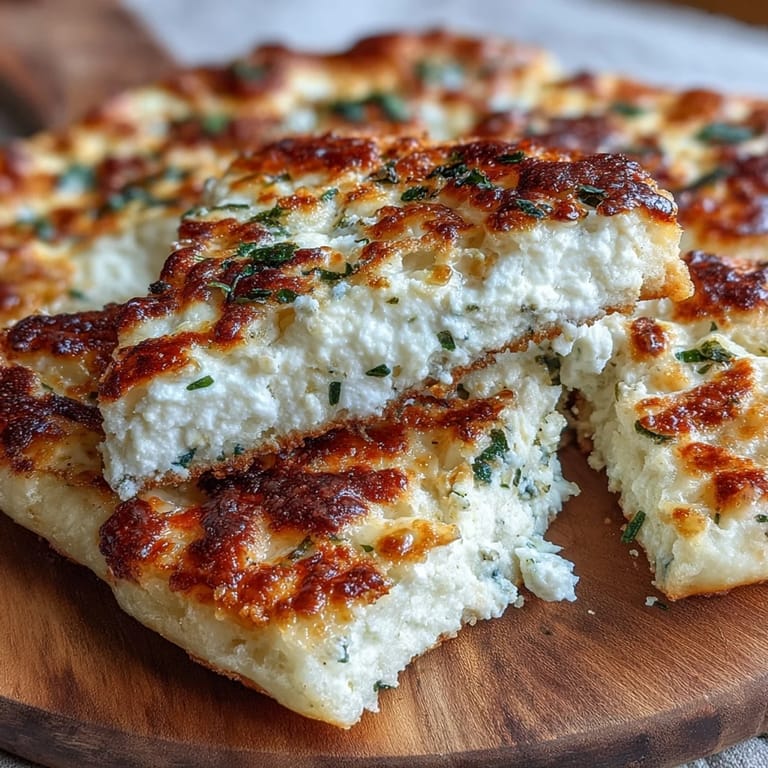
 One rainy afternoon, I made a batch of these and slathered them with butter and honey, eating them warm while reading by the window. It wasnt fancy or planned, just a quiet moment where something simple tasted extraordinary. That memory still surfaces every time I smell garlic and herbs hitting a hot pan.
Making Them Your Own
You can fold finely chopped spinach or sun-dried tomatoes into the dough for bursts of color and flavor. Ive also added crumbled feta once, which turned them into something almost decadent. The dough is forgiving enough to handle most mix-ins as long as you keep them small and well distributed.
Storage and Reheating
These keep well in an airtight container in the fridge for up to three days, or you can freeze them for a month. To reheat, warm them in a skillet for a minute on each side or microwave with a damp paper towel draped over them to restore softness. Cold flatbreads are never as good, so taking a moment to reheat properly makes all the difference.
Serving Ideas
Theyre perfect as wraps stuffed with grilled vegetables, hummus, or leftover roasted chicken. You can also use them as a quick pizza base by topping with sauce and cheese and baking at 425 degrees for eight to ten minutes. Sometimes I just tear them into pieces and dip them into olive oil and za'atar, which feels like a meal in itself.
- Brush with melted butter and sprinkle with flaky salt right after cooking for an extra layer of richness.
- Serve alongside soup or stew to soak up every last bit of broth.
- Pack them for lunch with a small container of tzatziki or baba ganoush for dipping.
 Pin It
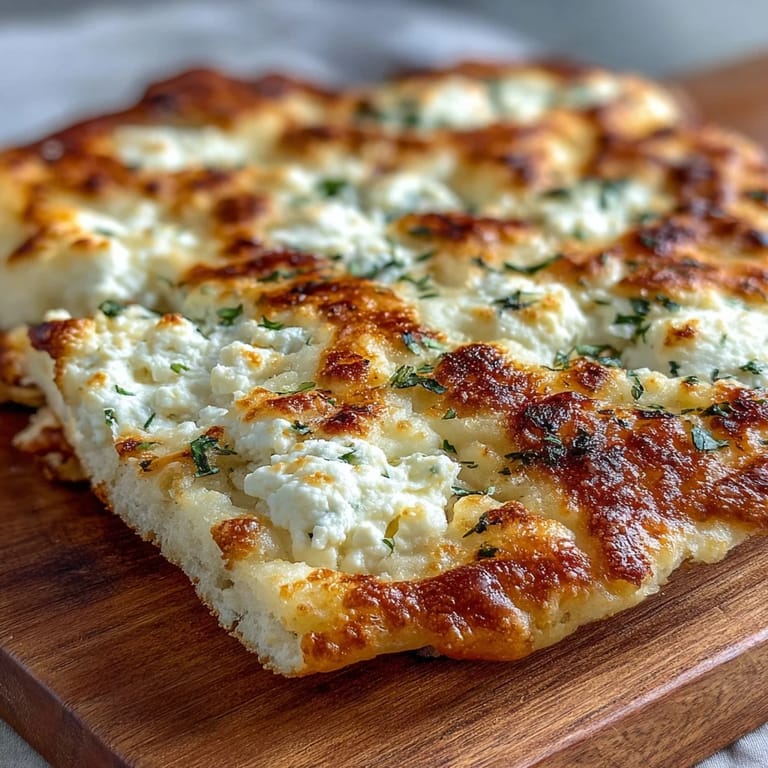
 These flatbreads have become one of those recipes I turn to when I want something homemade without the fuss, and they never disappoint. I hope they find a place in your kitchen the way theyve found one in mine.
Recipe FAQs
- → Can I make the dough ahead of time?
Yes, you can prepare the dough and store it in the refrigerator for up to 24 hours before rolling and cooking. Let it come to room temperature for about 15 minutes before shaping, as cold dough will be harder to roll thinly.
- → What can I use instead of cottage cheese?
Ricotta cheese works well as a substitute, though it's slightly milder in flavor. Greek yogurt (drained well) can also work, but you may need to reduce the amount slightly as it contains more liquid. The texture will vary slightly but still produce delicious flatbreads.
- → Why does my dough feel too sticky or dry?
Dough consistency can vary based on humidity and flour brand. If it's too sticky to handle, dust your hands and work surface with a bit more flour. If it's crumbly and won't hold together, add water one teaspoon at a time until it forms a cohesive ball. The dough should be soft and slightly tacky, not overly sticky.
- → Can I bake these instead of using a skillet?
Yes, preheat your oven to 425°F and place the rolled flatbreads on a baking sheet lined with parchment paper. Brush with olive oil and bake for 8–10 minutes, flipping halfway through. They won't get quite as many bubbles as skillet-cooked, but will still be delicious.
- → How do I keep leftover flatbreads soft?
Store cooled flatbreads in an airtight container or zip-top bag with a paper towel to absorb excess moisture. They'll stay soft for up to 3 days at room temperature or refrigerated for up to a week. For longer storage, freeze them with parchment paper between each piece for up to a month.
- → Can I double this batch?
Absolutely. The ingredients scale easily. You'll need to cook them in batches, so keep cooked ones warm under a kitchen towel while you finish the rest. If doubling, consider using two skillets simultaneously to speed up the process.