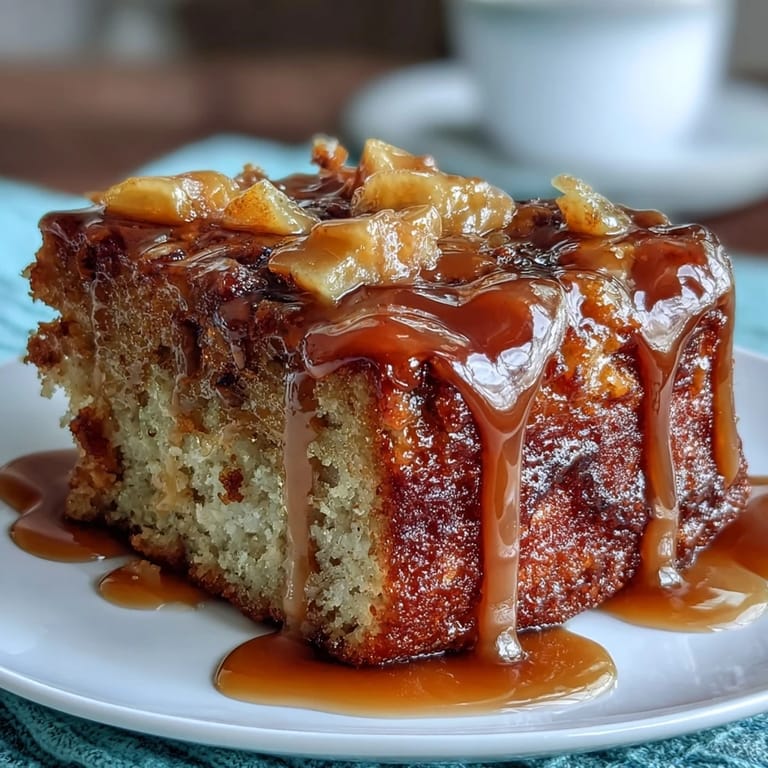
 Pin It
 There's something about spring that makes me want to bake with flowers, and dandelion honey was the unexpected discovery that changed how I approach desserts. My neighbor brought a jar of it to a potluck with this mysterious smile, explaining it tasted like sunshine trapped in amber, and I became obsessed with finding a way to showcase it. This cake emerged from that obsession—it's tender, subtly floral, and finished with a bright lemon glaze that feels like biting into the season itself.
I made this for my mother's book club last April, and watching people pause mid-conversation to ask what that smell was reminded me why baking matters. The cake had cooled just enough to glaze, and the lemon scent mixed with honey created this moment of pure attention in the room. Someone said it tasted like a tea garden, and I knew the recipe had found its purpose.
Ingredients
- All-purpose flour (2 cups / 250 g): Provides structure—room temperature ingredients mix more evenly with it.
- Baking powder and baking soda (1 1/2 tsp and 1/2 tsp): Work together to give the cake lift without making it airy or fragile.
- Fine sea salt (1/2 tsp): Amplifies the honey and lemon while taming sweetness.
- Unsalted butter (1/2 cup / 115 g), room temperature: The foundation of everything; cold butter creates lumps and uneven crumb.
- Dandelion honey (1/2 cup / 120 ml): The star ingredient with its subtle floral backbone—regular honey works if you can't find it, though the magic shifts.
- Granulated sugar (1/2 cup / 100 g): Balances the honey's complexity and keeps the crumb tender.
- Eggs (3 large), room temperature: Temperature matters here; cold eggs won't emulsify smoothly into the honey-butter mixture.
- Pure vanilla extract (1 tsp): Choose real vanilla—it harmonizes with the floral notes rather than competing.
- Whole milk (1/2 cup / 120 ml), room temperature: Alternating with flour creates a velvety crumb structure.
- Lemon zest (2 tbsp): Use a microplane to get fine, bright pieces that distribute evenly.
- Freshly squeezed lemon juice (2 tbsp): Store-bought works in emergencies, but fresh juice has a clarity that matters.
- Powdered sugar (1 cup / 120 g), sifted: Sifting prevents lumps that catch on the glaze.
- Dandelion honey for glaze (1 tbsp): Adds a subtle sweetness and ties the two components together.
Tired of Takeout? 🥡
Get 10 meals you can make faster than delivery arrives. Seriously.
One email. No spam. Unsubscribe anytime.
Instructions
- Heat your oven and prepare the pan:
- Preheat to 350°F (175°C) and grease a 9-inch round cake pan with butter or oil, then dust lightly with flour, or line it with parchment paper for easier removal. This step takes a minute but saves frustration later.
- Combine your dry ingredients:
- Whisk together the flour, baking powder, baking soda, and salt in a medium bowl until everything is evenly distributed. Set this aside—whisking instead of stirring ensures no pockets of baking soda that could taste bitter.
- Cream butter, honey, and sugar:
- In a large bowl, beat the room-temperature butter with dandelion honey and sugar for about 3 minutes until the mixture is light, fluffy, and noticeably paler. You're incorporating air here, which creates a tender crumb.
- Add eggs and flavorings:
- Beat in the eggs one at a time, waiting until each is fully incorporated before adding the next, then stir in vanilla extract, lemon zest, and lemon juice. The zest should be visible and fragrant throughout.
- Alternate flour and milk:
- Add the flour mixture in three parts, alternating with the milk and starting and ending with flour. Mix on low speed or by hand just until combined—overmixing develops gluten and creates a dense, tough cake.
- Transfer and bake:
- Pour the batter into your prepared pan and smooth the top gently with a spatula. Bake for 35–40 minutes until a toothpick inserted in the center comes out clean or with just a few moist crumbs.
- Cool properly:
- Let the cake rest in the pan for 10 minutes so it sets slightly, then turn it out onto a wire rack to cool completely. This prevents a soggy bottom.
- Make the glaze:
- Whisk powdered sugar, lemon juice (add a little at a time to control thickness), and dandelion honey until smooth and pourable. It should be thick enough to cling to the cake but thin enough to drizzle.
- Finish and serve:
- Drizzle the glaze over the cooled cake in whatever pattern feels right, then let it set for 10–15 minutes before slicing. This allows the glaze to firm up slightly so it doesn't slide off.
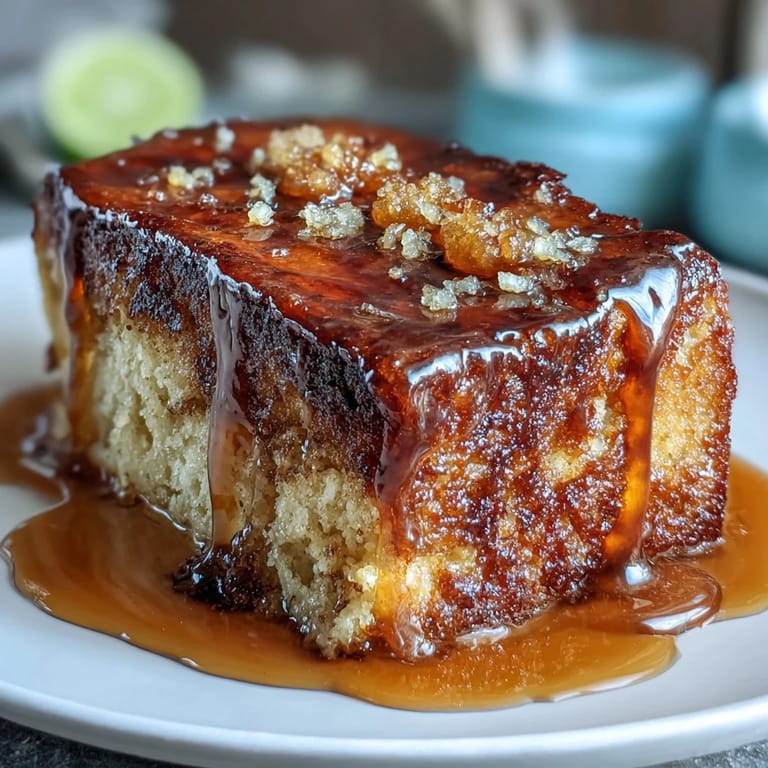 Pin It
 The first time someone told me this cake tasted like spring in a slice, I realized I'd been chasing that exact feeling in the kitchen. It's not fancy or complicated—it's just honest flavors in the right proportions, and that simplicity is what makes people come back for it.
About Dandelion Honey
Dandelion honey is delicate and floral with a subtle sweetness that regular honey can't quite match, though it's less common in regular grocery stores. Look for it at farmers markets, specialty food shops, or online, or ask local beekeepers—many craft versions that are worth seeking out. If you can't find it, regular honey works, but the cake loses some of its complexity; you could add a tiny pinch of dried lavender to the batter as compensation, but taste as you go.
Flavor Pairings and Serving Ideas
This cake shines alongside herbal tea like chamomile, earl grey, or a light floral white wine on warmer afternoons. I've also served it at spring brunches with whipped cream and fresh berries, which cuts the sweetness and adds a textural contrast that keeps each bite interesting. The lemon glaze means it doesn't need frosting, so the focus stays on the tender crumb and gentle floral notes.
Storage and Make-Ahead Tips
This cake actually improves after a day in an airtight container at room temperature, as the flavors deepen and meld together overnight. You can bake it up to three days ahead and glaze it just before serving, or glaze it all at once and store it covered—the glaze won't weep or turn sticky. If you want to make the cake layers ahead, wrap them tightly in plastic wrap and freeze for up to a week, then glaze after thawing to room temperature.
- Always bring the cake to room temperature before glazing so the coating sets evenly and looks glossy.
- If the glaze becomes too thick while sitting, add a few drops of lemon juice and whisk again.
- Leftover cake can be gently reheated in a low oven for 5 minutes if you prefer it slightly warm, which actually intensifies the floral notes.
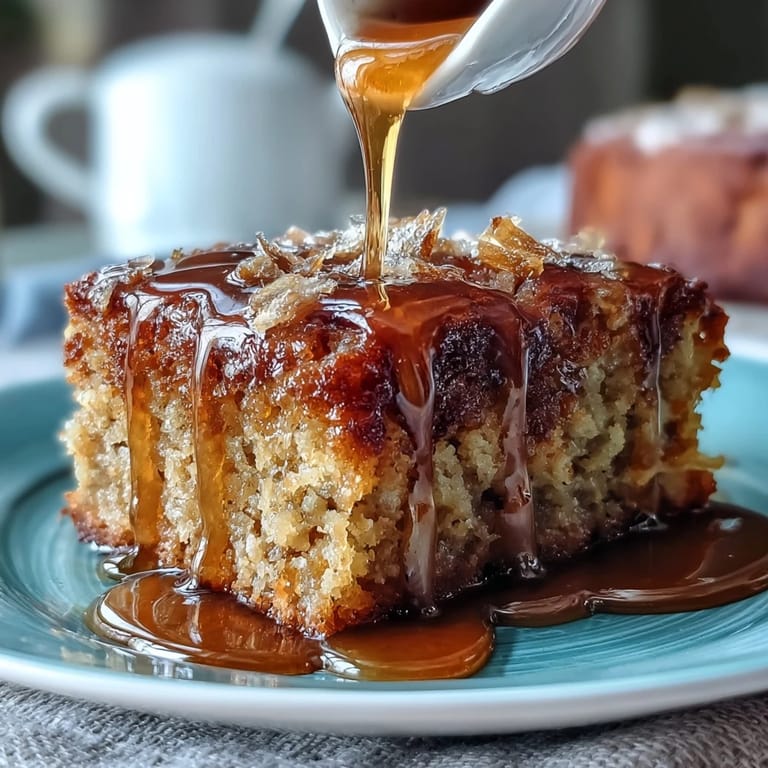 Pin It
 This cake is proof that the best recipes come from curiosity and small moments of discovery in the kitchen. Bake it, share it, and watch what happens when people taste spring on a plate.
Recipe FAQs
- → What gives the cake its floral taste?
The floral notes come from the dandelion honey, which infuses the cake with its unique fragrant sweetness.
- → How does the lemon glaze complement the cake?
The lemon glaze adds a bright, tart contrast that balances the rich sweetness of the cake and honey.
- → Can the dandelion honey be substituted?
Yes, regular honey can be used, though the flavor might be less floral and more neutral.
- → What is the best way to store the cake?
Keep it in an airtight container at room temperature for up to three days to maintain moisture and freshness.
- → Is it possible to enhance the dandelion flavor further?
Adding finely chopped unsprayed dandelion petals to the batter intensifies the floral flavor.
- → What tools are recommended for preparation?
Essential tools include a 9-inch round cake pan, mixing bowls, a whisk or electric mixer, measuring cups, and a microplane or zester.