 Pin It
 There's something about the smell of lemon zest hitting a warm kitchen that makes everything feel a little brighter. I discovered this pound cake years ago when a neighbor dropped one off during a gray spring afternoon, and after one slice, I was completely hooked. The crumb is dense and buttery in that traditional pound cake way, but the lemon juice and zest keep it from feeling heavy—it practically melts on your tongue. I've made it countless times since, and it's become my go-to when I need something that feels both effortless and impressive.
I baked this for my book club one autumn, and someone asked for the recipe before they'd even finished their slice. That's when I knew I had something special—something that worked for casual gatherings and felt like a little gift every time.
Ingredients
- Unsalted butter (1 cup): Room temperature butter is essential here; it creams into the sugar more easily and creates that light, tender crumb pound cakes are known for.
- Granulated sugar (2 cups): This is your foundation for structure and sweetness; don't skip creaming it long enough with the butter.
- Eggs (4 large): Room temperature eggs blend more smoothly and help create a finer texture than cold ones.
- Whole milk (1/4 cup): The milk balances the richness of the butter and eggs, keeping the cake moist without making it greasy.
- Fresh lemon juice (1/4 cup): This is where the magic happens; bottled juice will work but fresh juice tastes noticeably brighter and cleaner.
- Lemon zest (2 tablespoons): Grate it finely so the oils distribute evenly throughout the batter and deliver that intense lemon punch.
- All-purpose flour (2 1/2 cups): Measure by spooning and leveling, not scooping straight from the bag, or you'll end up with a dense cake.
- Baking powder (1 teaspoon): This gives you a gentle rise without any chemical aftertaste.
- Salt (1/2 teaspoon): A small amount of salt amplifies the lemon flavor and balances sweetness.
- Powdered sugar (1 cup): For the glaze, sift it first to avoid lumps that will make your topping grainy.
- Fresh lemon juice for glaze (2–3 tablespoons): Use this to thin your glaze to the right consistency—you want it to drizzle, not puddle.
Tired of Takeout? 🥡
Get 10 meals you can make faster than delivery arrives. Seriously.
One email. No spam. Unsubscribe anytime.
Instructions
- Set your stage:
- Preheat your oven to 350°F and prepare your loaf pan by greasing it well or lining it with parchment paper. There's nothing worse than a stuck cake, so don't skip this step.
- Cream the butter and sugar:
- This takes about 3–4 minutes with an electric mixer, and you'll know you're done when the mixture looks pale, fluffy, and almost mousse-like. This step is what creates the tender crumb, so don't rush it.
- Add the eggs slowly:
- Drop them in one at a time, beating well after each addition so they fully incorporate. This prevents the batter from looking curdled or separated.
- Mix the wet ingredients:
- In a small bowl, combine the milk, lemon juice, and lemon zest. The acid in the juice will react slightly with the milk, which is normal and actually helps create a more tender cake.
- Combine the dry ingredients:
- Whisk together the flour, baking powder, and salt in a separate bowl so everything is evenly distributed before you add it to the wet mixture.
- Alternate wet and dry:
- With your mixer on low speed, add the flour mixture and milk-lemon mixture in three additions each, always starting and ending with flour. This prevents overmixing, which would make your cake tough and dense in the worst way.
- Pour and bake:
- Transfer the batter to your prepared pan, smooth the top, and slide it into the oven. Bake for 50–55 minutes until a toothpick inserted in the center comes out clean or with just a few moist crumbs.
- Cool with patience:
- Let it rest in the pan for 10 minutes, then turn it out onto a wire rack to cool completely. This prevents condensation from making the bottom soggy.
- Make and apply the glaze:
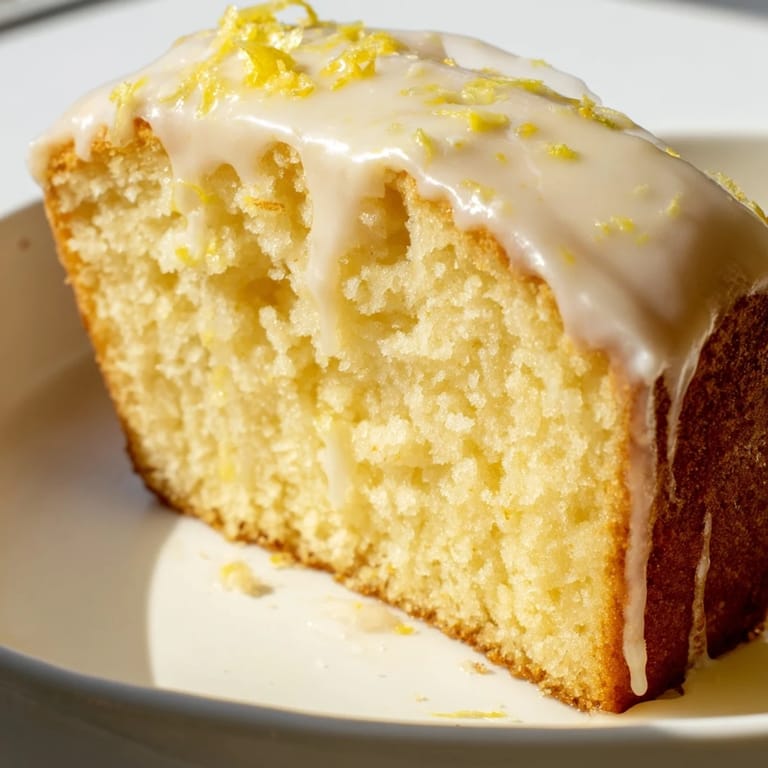
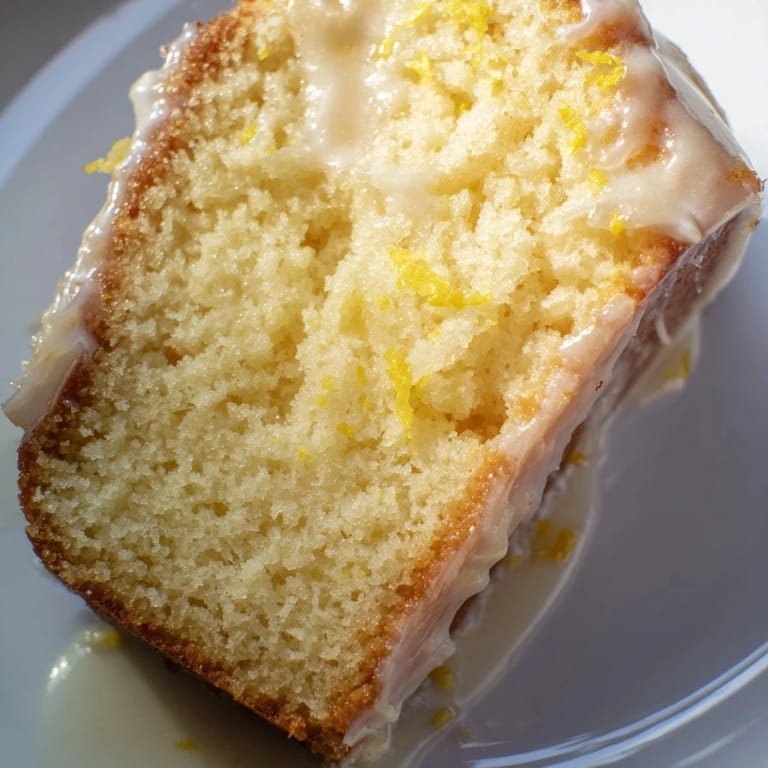
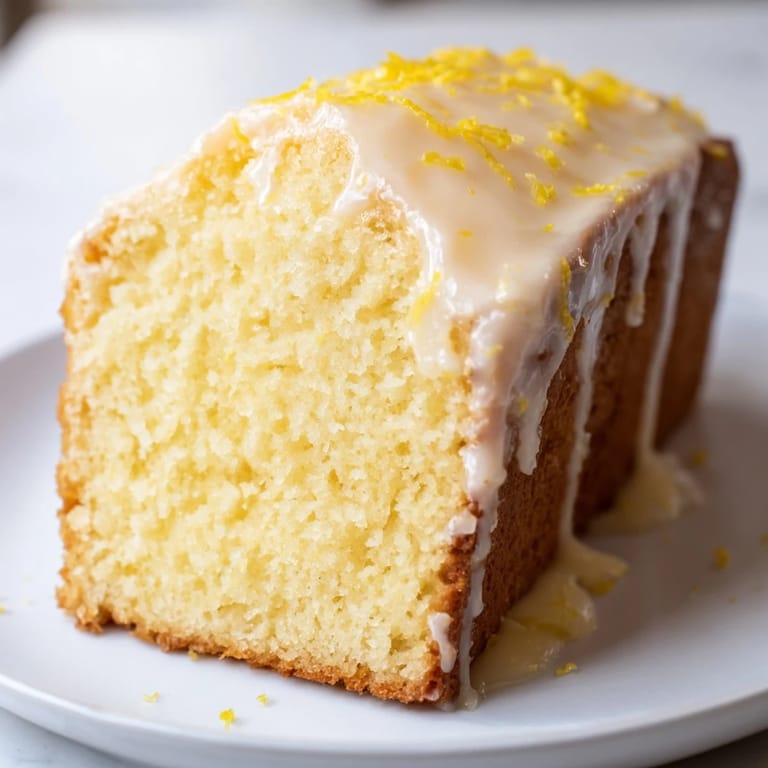
- Whisk the sifted powdered sugar with lemon juice until smooth and pourable, then drizzle it over your completely cooled cake. Let it set for at least 15 minutes before slicing so it firms up nicely.
 Pin It
 My daughter once asked why this cake tasted different every time she had a slice, and I realized it was because I'd started varying which kind of lemons I used depending on the season. That small attention—thinking about whether my Meyer lemons were in season or if I needed something more tart—turned a simple recipe into something I actually looked forward to making.
Why This Cake Works for Everything
The beauty of pound cake is its versatility. Serve it plain with tea on a quiet afternoon, or dress it up with berries and whipped cream for a dinner party. It's equally at home in a lunchbox wrapped in foil or plated on your nicest dessert dish. I've brought it to potlucks, packed it for picnics, and even toasted slices for breakfast the next morning.
Storage and Make-Ahead Magic
This cake actually improves after a day or two as the flavors meld together and the crumb becomes more tender. Wrap it tightly in plastic wrap or foil and keep it at room temperature for up to three days, or freeze it for up to a month. If you're baking ahead for a gathering, you can actually make the cake a few days early and glaze it just a few hours before serving, which takes a lot of stress out of entertaining.
Small Changes That Make a Big Difference
Once you've made this cake a few times and love it, you can play with subtle variations. A touch of lemon extract adds an extra punch of flavor, though use it sparingly or it can taste medicinal. You could swap half the all-purpose flour for almond flour for a slightly nutty undertone, or add a pinch of cardamom for an unexpected warmth. I've even made a version with raspberry jam swirled into the batter, which transforms it into something entirely new while keeping the same foundation.
- Try adding 1/2 teaspoon of lemon extract to the batter if you want the lemon flavor to be even more pronounced.
- Serve with fresh berries, a dollop of whipped cream, or alongside a cup of good tea for a complete moment.
- Keep the cake wrapped tightly and it'll stay fresh enough to slice cleanly for days.
 Pin It
 This cake has become my answer to so many moments—when I want to feel like a good baker without stress, when I need a gift that feels personal, when the afternoon needs a little brightening. I hope it becomes one of your answers too.
Recipe FAQs
- → What makes this cake dense and moist?
The high butter content combined with careful mixing results in a dense, moist texture that holds lemon flavors beautifully.
- → How is the lemon flavor incorporated?
Fresh lemon juice and finely grated lemon zest are added to the batter, delivering bright and natural citrus notes throughout the crumb.
- → What is the purpose of the tangy glaze?
The glaze, made from powdered sugar and lemon juice, adds a sweet and tart finish that enhances the overall citrus profile.
- → How can I ensure the cake bakes evenly?
Use a well-greased 9x5-inch loaf pan and bake at 350°F until a toothpick inserted comes out clean, typically around 50-55 minutes.
- → Are there any tips for extra lemon flavor?
Adding a small amount of lemon extract to the batter can intensify the citrus aroma without overpowering the cake.