 Pin It
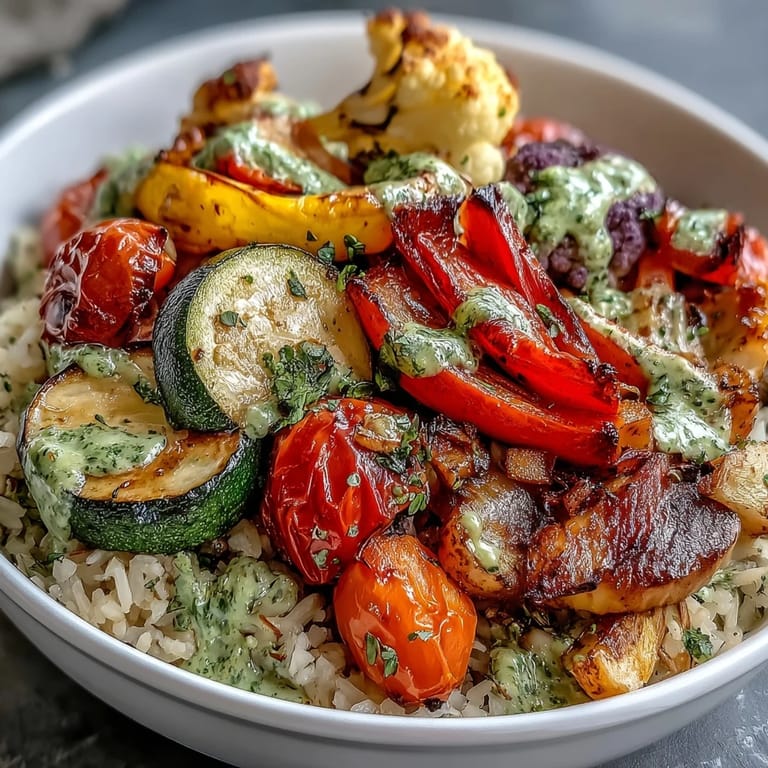
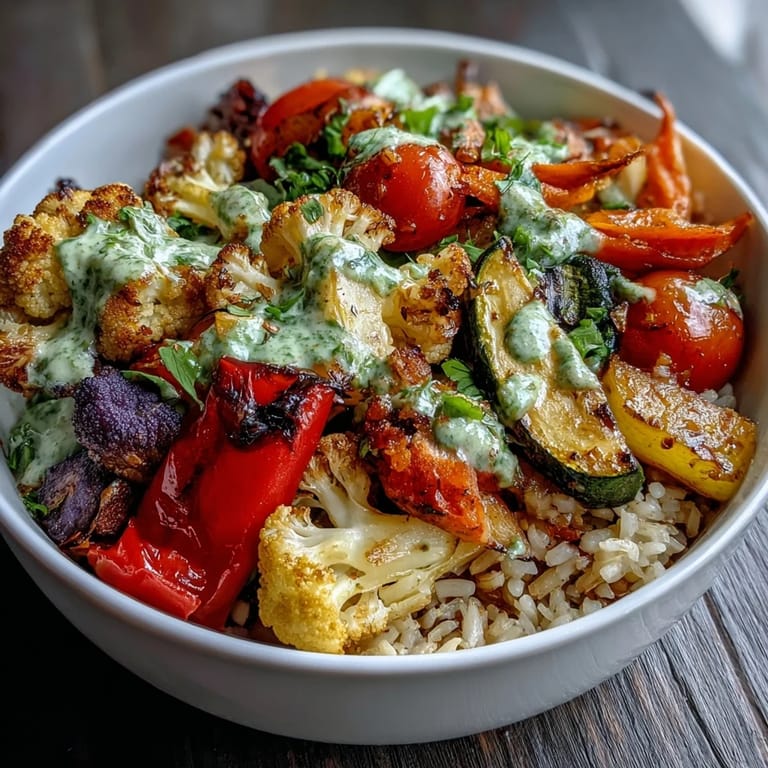
 One Tuesday afternoon, my kitchen filled with the smell of caramelizing vegetables while my roommate wandered in asking what smelled so good. I'd thrown together whatever colorful produce was sitting in my crisper drawer that week, and somehow it transformed into this bowl that made us both slow down and actually taste our food. That's when I realized the magic wasn't in following some complicated recipe—it was in letting each vegetable show off its own sweetness under the heat of the oven.
I made this for a small dinner party where one guest mentioned she was trying to eat more plant-based, and another had just started avoiding gluten. Instead of stressing about accommodating everyone separately, I just made this bowl, and it became the star of the table. Everyone went back for seconds, and it sparked this whole conversation about how good food doesn't need to be complicated or limited—it just needs to taste genuine.
Ingredients
- Red and yellow bell peppers: These sweeten slightly as they roast, becoming almost jammy at the edges. Choose ones that feel firm and have thick walls for the best texture.
- Purple cauliflower: Beyond looking stunning on the plate, purple varieties have a slightly earthier, more complex flavor than white cauliflower. If you can't find purple, regular works beautifully too.
- Broccoli florets: Cut them on the smaller side so they caramelize evenly without drying out. The florets crisp up perfectly at high heat.
- Cherry tomatoes: Halving them prevents them from rolling around and allows them to concentrate their sweetness. They should blister slightly if your oven is hot enough.
- Zucchini and carrot: Slice these into half-moons rather than too thin, so they hold their shape through roasting instead of turning to mush.
- Brown rice: Rinsing it first removes excess starch and helps each grain stay separate and fluffy. The nutty flavor of brown rice complements the roasted vegetables perfectly.
- Fresh herbs for the sauce: Use whatever you can find—parsley, cilantro, and basil each bring their own personality. The fresher they are, the brighter your sauce will taste.
- Extra virgin olive oil: Don't use the expensive bottle for cooking the vegetables; save it for the sauce where you'll actually taste its richness.
Tired of Takeout? 🥡
Get 10 meals you can make faster than delivery arrives. Seriously.
One email. No spam. Unsubscribe anytime.
Instructions
- Heat your oven and prep your vegetables:
- Crank the oven to 425°F and while it's preheating, cut everything into similar-sized pieces so they cook at the same rate. This is where a sharp knife makes your life easier—you'll finish chopping in minutes instead of wrestling with dull blades.
- Toss and arrange on the sheet:
- Spread your vegetables in a single layer on a large baking sheet, drizzle generously with olive oil, sprinkle salt and pepper, then toss with your hands until everything glistens. Don't overcrowd the pan or they'll steam instead of roast and caramelize.
- Roast until caramelized:
- Set a timer for 15 minutes, then give everything a good stir so the pieces that were in the back rotate to the front. They'll continue roasting for another 10-15 minutes until the edges are golden and slightly charred, and they smell absolutely irresistible.
- Cook the brown rice while vegetables roast:
- Rinse your rice in cold water, then combine with water and salt in a saucepan. Bring to a boil, cover, reduce heat to low, and let simmer for 30-35 minutes without peeking—the steam does the work.
- Blend your herb sauce:
- Combine all sauce ingredients in a blender and pulse until you reach your preferred texture; some people like it completely smooth, others prefer little flecks of herbs visible. Taste and adjust salt or lemon juice to your preference.
- Assemble your bowls:
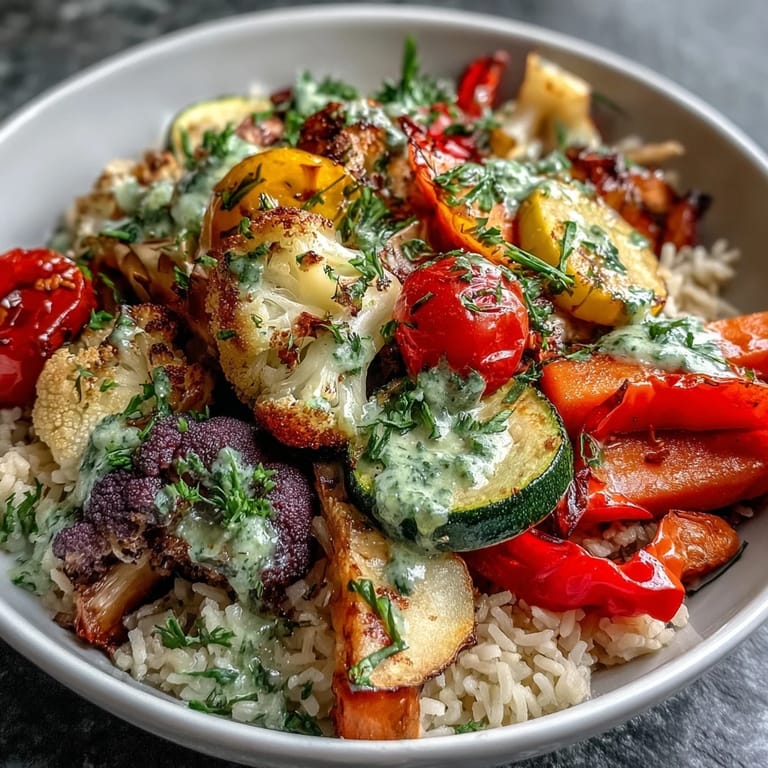
- Divide the fluffy brown rice among bowls, arrange the warm roasted vegetables on top, then drizzle the herb sauce generously over everything. The warmth of the vegetables will slightly wilt the fresh herbs in the sauce, releasing even more aroma.
 Pin It
 What struck me most about this bowl was watching someone who always grabbed fast food actually sit down and eat slowly, noticing flavors instead of rushing through lunch. That's when I understood that nourishing food doesn't have to be complicated—sometimes it just needs color, heat, and intention.
Making It Your Own
The beauty of this bowl is that it's genuinely flexible without losing its soul. Swap in sweet potatoes, red onion, or asparagus depending on what's at the farmer's market or what your body is craving that week. I've made it with chickpeas for protein, crumbled tofu for texture, and even added a fried egg on top when I wanted something more filling. The roasting method stays the same, so you're not learning a new technique—you're just playing with the variables.
About the Herb Sauce
This sauce is honestly where the magic happens, and I learned this the hard way by initially thinking it was optional. One night I made the bowl without it and it was fine—colorful, nutritious, fine. But with the sauce, it becomes something you actually crave. The brightness cuts through the richness of the roasted vegetables and makes everything taste more alive. If fresh herbs aren't available, you can substitute dried, though you'll use less—maybe a teaspoon each of dried parsley, cilantro, and basil—since dried herbs concentrate their flavor.
Storage and Make-Ahead Tips
This bowl actually gets better if you let the roasted vegetables cool slightly before storing them, as they continue to develop flavor as they sit. You can prep everything separately the day before—roasted vegetables in one container, rice in another, sauce in a third—then assemble fresh when you're ready to eat. The whole bowl keeps for about three days in the fridge, though the herb sauce is best used within two days before it starts to darken.
- If you're meal prepping, consider keeping the sauce separate until you're ready to eat so the vegetables don't get soggy.
- Reheat roasted vegetables gently in a low oven rather than the microwave to prevent them from turning mushy.
- Brown rice can be made ahead and reheated with a splash of water or stored cold for grain bowls throughout the week.
 Pin It
 This bowl taught me that good food doesn't need to be precious or complicated—it just needs to respect its ingredients. Make it, share it, and watch how something this simple becomes genuinely nourishing.
Recipe FAQs
- → Can I prepare the vegetables ahead of time?
Yes, chop all vegetables up to a day in advance and store in airtight containers in the refrigerator. Roast just before assembling the bowls for the best texture and flavor.
- → What other vegetables work well in this bowl?
Sweet potatoes, red onions, asparagus, Brussels sprouts, butternut squash, and eggplant all roast beautifully. Choose vegetables that roast at similar temperatures and times for even cooking.
- → Can I use quinoa instead of brown rice?
Absolutely. Quinoa cooks faster than brown rice—about 15-20 minutes—so adjust your timing accordingly. Farro, barley, or couscous also make excellent grain bases.
- → How long does the herb sauce keep?
The fresh herb sauce will stay fresh in the refrigerator for up to 5 days when stored in a sealed container. The colors may darken slightly, but the flavor remains vibrant.
- → Is this bowl freezer-friendly?
Freeze the roasted vegetables and cooked rice separately for up to 3 months. Thaw overnight in the refrigerator and reheat gently. The herb sauce is best made fresh, not frozen.
- → How can I add more protein?
Stir in chickpeas during the last 10 minutes of roasting, top with baked tofu, add a poached egg, or serve alongside grilled chicken or fish. Hemp seeds or toasted nuts also provide protein crunch.