 Pin It
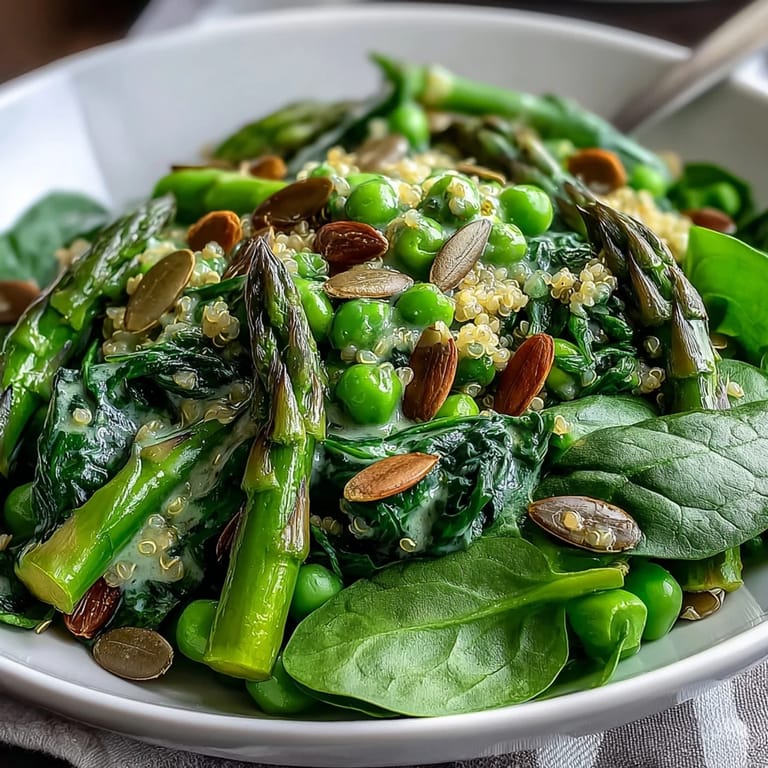
 There's something about spring that makes you crave brightness on a plate, and this bowl delivers exactly that without asking much of you in return. I stumbled into making this after a farmers market visit where I got a little too excited about the snap peas and tender asparagus, then realized I had a half-cooked batch of quinoa sitting in my fridge. What started as puzzle-solving became my go-to lunch for weeks, and now it's the thing people ask me to bring to potlucks because it somehow tastes both simple and intentional.
My neighbor knocked on my door one afternoon and caught me eating this straight from the bowl while standing at my kitchen counter, and she just raised an eyebrow until I made her a serving. She came back the next week asking for the recipe, which meant I'd actually nailed something instead of just getting lucky with leftovers.
Ingredients
- Quinoa, brown rice, or farro: Pick whichever your kitchen naturally gravitates toward—quinoa is fastest and fluffiest, brown rice feels more grounding, farro has this chewy satisfying thing going on.
- Fresh or frozen green peas: Frozen actually work beautifully here because they're picked at peak ripeness and thaw gently, so don't feel like you need to hunt down fresh ones.
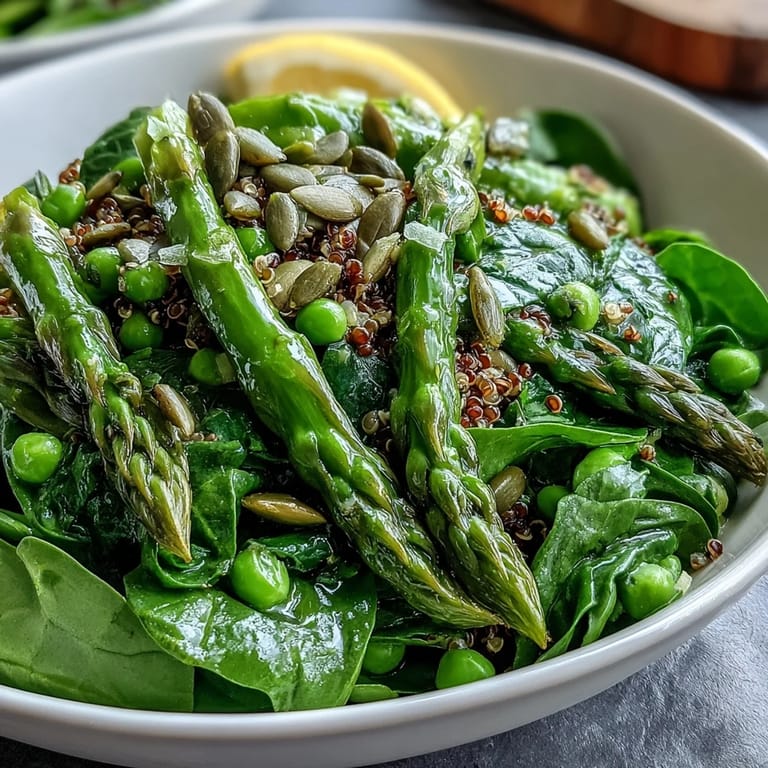
- Asparagus: Cut them into two-inch pieces so they don't turn into floppy noodles, and trim the woody ends by snapping them where they naturally want to break.
- Green beans: Same two-inch rule applies—you want pieces that still have a little personality after blanching.
- Baby spinach: A full two cups looks like a mountain until it hits heat, then it becomes reasonable, so trust the amount even if it seems excessive.
- Extra-virgin olive oil: This is where the dressing lives, so use something you'd actually taste on bread if it came to that.
- Freshly squeezed lemon juice and zest: Bottled lemon juice tastes like a memory of lemon, so squeeze it yourself and zest the same lemon because you've already got it out.
- Dijon mustard: The emulsifier that makes the dressing feel rich instead of oily, and honestly saves you from whisking for five minutes straight.
- Maple syrup or honey: A small spoonful balances the acid so the dressing doesn't taste like you're eating pure lemon.
- Garlic clove: One small one minced fine so it disappears into the dressing instead of overwhelming it with garlic breath later.
- Toasted seeds and optional toppings: Pumpkin seeds add this satisfying crunch, feta adds saltiness if you're not going vegan, and fresh herbs make it feel like you knew what you were doing the whole time.
Tired of Takeout? 🥡
Get 10 meals you can make faster than delivery arrives. Seriously.
One email. No spam. Unsubscribe anytime.
Instructions
- Rinse and cook your grains:
- Run your chosen grains under cold water until the water runs clear, which takes maybe two minutes and actually makes a difference in the final texture. Bring your salted water to a proper boil, add the grains, cover, and let them simmer undisturbed until they're tender but not mushy—quinoa hits this mark in about 15 minutes, brown rice needs closer to 35, so read your package or trust your instincts.
- Blanch the spring vegetables separately:
- Fill a large pot with salted water and bring it to a rolling boil, then work through each vegetable one at a time for 2-3 minutes until they're tender but still bright green and snappy to bite. The ice bath is non-negotiable because it stops them from cooking further and keeps that vivid color that makes the bowl actually look appetizing.
- Wilt the spinach quickly:
- Heat your skillet over medium heat with no oil needed, add the spinach, and let it fall into itself for just a minute or two until it's soft but still recognizable as spinach rather than a dark green puddle. This is genuinely fast, so don't get distracted or you'll end up with something that tastes overcooked.
- Whisk your dressing together:
- Combine your olive oil, lemon juice, zest, mustard, sweetener, and minced garlic in a small bowl and whisk until it becomes this glossy, emulsified situation that coats a spoon. The mustard is doing the heavy lifting here, so don't skip it even if you're not normally a mustard person.
- Assemble the bowls with intention:
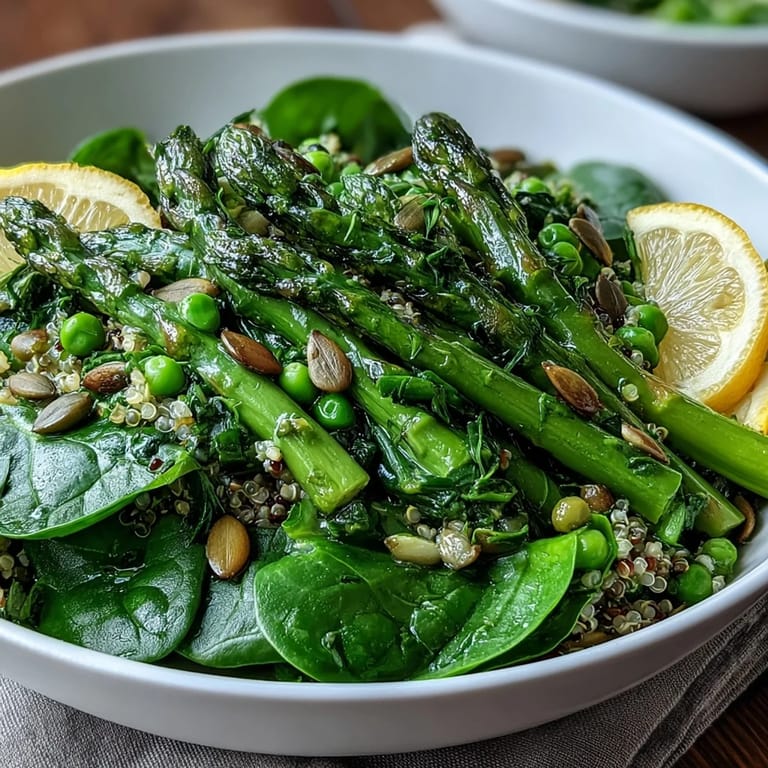
- Divide your cooked grains into four bowls as your base, then create little sections for each vegetable so the bowl looks intentional instead of like you just dumped everything together. Drizzle the dressing generously because it brings all the flavors together in a way that makes people ask for seconds.
- Garnish and serve right away:
- Scatter your toasted seeds, feta if you're using it, and chopped fresh herbs across the top so every spoonful has something crunchy and herbaceous happening. Eat this while everything is still slightly warm but the vegetables retain their snap.
 Pin It
 Last spring, I brought this to a lunch where someone was newly vegetarian and worried about eating something that felt like punishment, and watching them realize a bowl of vegetables could actually taste exciting was a small victory. It became clear that this isn't just lunch—it's what you make when you want people to feel nourished and respected at the same time.
Grain Swaps That Actually Work
Quinoa is the quick option, but farro gives you this chewy texture that holds up beautifully to the dressing, and brown rice makes everything feel more substantial and earthy. Bulgur works wonderfully too if you want something that soaks up the lemon dressing and becomes this fluffy, flavorful base. I've even used couscous when I was short on time and couldn't wait for grains to simmer, and it worked just fine though it's a bit lighter than the others.
Seasonal Vegetable Adjustments
Spring peas and asparagus are ideal, but summer brings zucchini and yellow beans that blanch beautifully, fall offers roasted root vegetables if you're willing to let the bowl warm up, and winter spinach gets sweeter and more tender. Don't think of the recipe as fixed—think of it as a template for whatever your market is actually selling that week. The dressing stays exactly the same, and it brings whatever vegetables you choose into harmony.
Making It a Complete Meal
As written, this bowl leans vegetarian-friendly with solid carbs and vegetables, but protein makes it feel more like dinner than lunch. Grilled chicken breast sliced thin is the obvious choice, but I've had better luck with crispy tofu because it gets this satisfying exterior that contrasts with the tender vegetables, and chickpeas add earthiness without overpowering anything.
- Add grilled chicken, pan-fried tofu, or roasted chickpeas if you want this to feel like a more substantial meal.
- A soft-boiled or poached egg is absolutely magical here because the yolk becomes part of your dressing.
- Keep the protein separate from the other components if you're making this ahead, since warm protein can wilt the spinach and soften the blanched vegetables.
 Pin It
 This bowl proved to me that spring vegetables don't need complicated technique or heavy cream to taste exciting—just a little attention and a good dressing make all the difference. Make it once and you'll understand why it becomes a seasonal staple in kitchens where people actually care about what they're eating.
Recipe FAQs
- → Can I substitute the grains in this bowl?
Yes, grains like bulgur or couscous work well as alternatives, providing a different texture and flavor base.
- → How do I keep the spring vegetables bright and crisp?
Blanching the peas, asparagus, and green beans separately then shocking them in ice water preserves their vibrant color and tender-crisp texture.
- → Is there an alternative to maple syrup in the dressing?
Honey can be used as a natural sweetener, balancing the lemon and mustard flavors in the dressing.
- → Can this bowl be made vegan?
Omit the feta cheese and use maple syrup in the dressing to keep the dish fully plant-based.
- → What optional toppings enhance the bowl?
Toasted pumpkin or sunflower seeds add crunch, while fresh herbs like mint, parsley, or dill bring fresh aroma and flavor.