 Pin It
 I used to toss every carrot end and onion skin into the bin until a rainy Sunday afternoon when the pantry was bare and I needed a base for lentil soup. The smell of the simmering pot filled my tiny kitchen, turning what I thought was garbage into a liquid gold that tasted better than any store bought carton. It felt like a small rebellion against waste, turning scraps into something deeply nourishing. Since that day, my freezer has always held a bag of treasures waiting for their turn in the pot.
One winter morning, I invited a neighbor over for tea while a batch of this broth was bubbling away on the stove. She asked what expensive candle I was burning because the house smelled so earthy and inviting. I laughed and showed her the pot full of leek tops and mushroom stems. We spent the hour talking about how our grandmothers never let a single vegetable peel go to waste.
Ingredients
- Vegetable Scraps: These bits and bobs are the heart of your broth so aim for a colorful mix of carrot peels and onion skins.
- Bay Leaf: This single leaf adds a subtle herbal depth that ties all the varied vegetable flavors together.
- Peppercorns: I love how these little spice gems provide a slow heat that warms you from the inside out.
- Garlic: Crushing the cloves releases the oils quickly which is perfect for a shorter simmer time.
- Thyme: Fresh sprigs offer a bright woodsy note that makes the broth feel like it came from a professional kitchen.
- Water: Using cold water allows the temperature to rise slowly and draw out the most flavor from your scraps.
Tired of Takeout? 🥡
Get 10 meals you can make faster than delivery arrives. Seriously.
One email. No spam. Unsubscribe anytime.
Instructions
- Gather the treasures:
- Toss your colorful collection of clean scraps into a heavy pot and breathe in the earthy scent.
- Build the base:
- Drop in your spices and herbs then pour the cold water over everything until it is submerged.
- Slow the pace:
- Bring the pot to a lively boil and then immediately drop the heat to a gentle rhythmic simmer.
- Watch the magic:
- Let it bubble softly for about one hour while you enjoy the cozy aroma drifting through your home.
- Extract the gold:
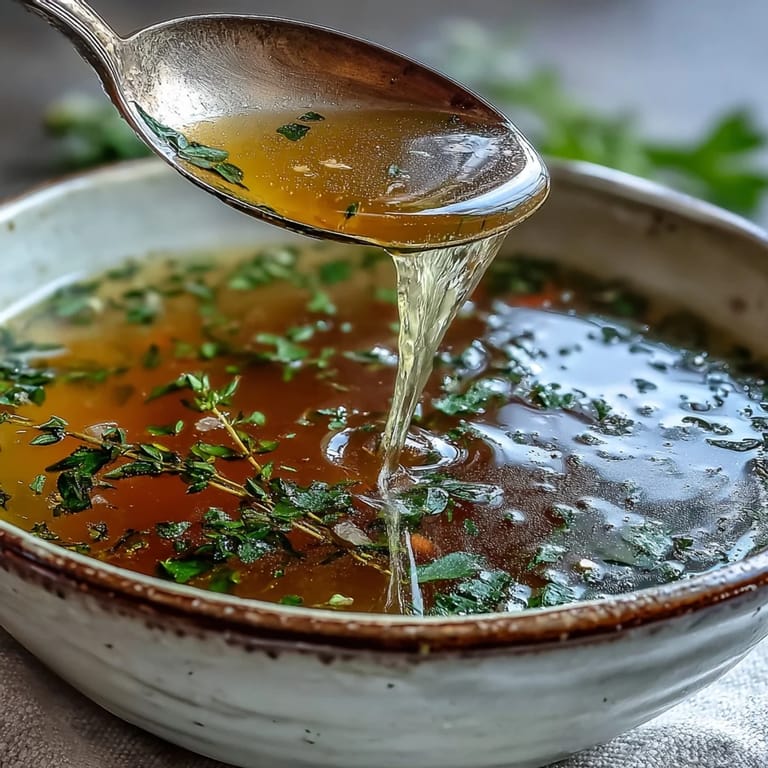
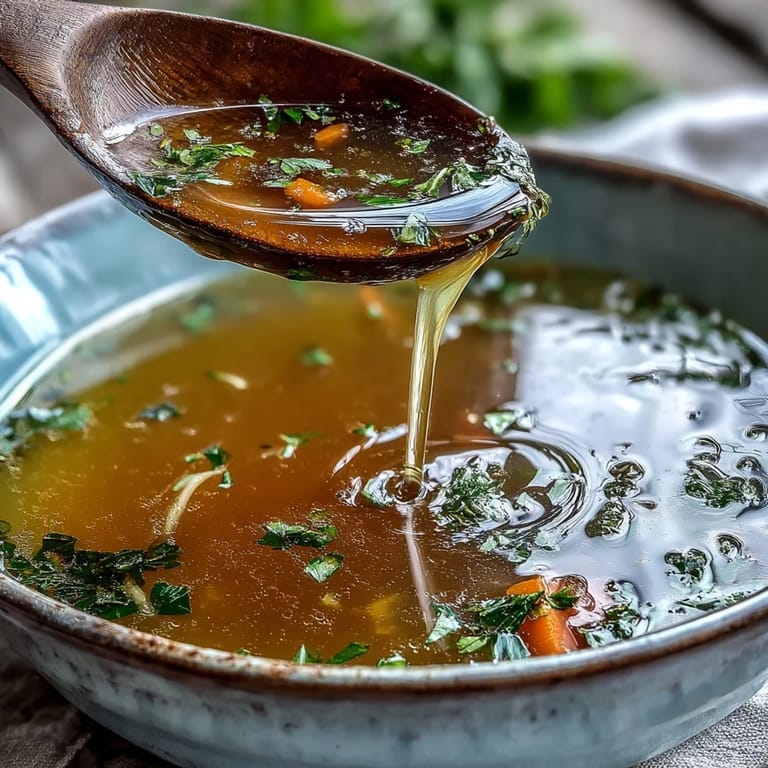
- Pour the liquid through a fine sieve to catch the softened vegetables and reveal a clear amber liquid.
- Store the harvest:
- Once the steam stops rising transfer your liquid treasure into glass jars for the week ahead.
 Pin It
 Last Thanksgiving, I used the broth from a month worth of saved trimmings to make the gravy. My brother kept asking what my secret ingredient was because the flavor had such a complex richness. I did not tell him it was mostly the ends of the onions he helped me chop weeks prior. It made the meal feel more connected to all the little moments of cooking throughout the autumn.
The Art of the Scrap Bag
Keeping a dedicated bag in the freezer makes the whole process effortless and organized. Every time I prep dinner, I reflexively toss the onion tops and parsley stems into the bag. It is a quiet ritual that turns daily chores into a future reward. When the bag is full and heavy, I know it is time for a broth day.
Finding the Right Balance
I have learned that a higher ratio of onion skins gives the broth a beautiful deep orange hue. Carrot peels add a touch of sweetness while mushroom stems provide that savory umami kick we all crave. You can really play with the ratios depending on what you have been eating lately. A few leek tops can transform a simple broth into something that tastes much more sophisticated.
Ways to Use Your Liquid Gold
This broth is versatile enough to be used as a replacement for water when cooking grains like rice or quinoa. I often keep a small jar in the fridge just for deglazing pans after searing vegetables. It adds a layer of flavor that plain water simply cannot match.
- Sip it warm from a mug with a pinch of sea salt on a chilly afternoon.
- Freeze it in ice cube trays for adding quick splashes of flavor to stir fries.
- Use it as the poaching liquid for delicate proteins to keep them moist and flavorful.
 Pin It
 This simple practice makes me feel more intentional about the food I bring into my home. May your kitchen always be filled with the comforting steam of a simmering pot.
Recipe FAQs
- → What vegetables should I avoid putting in broth?
Skip potato peels, brassicas like broccoli and cauliflower, and overly starchy or sweet vegetables. These can make your broth cloudy or bitter. Stick with carrot peels, onion skins, celery ends, leek tops, and mushroom stems for the best results.
- → How long does homemade vegetable broth last?
Properly stored in airtight containers, your homemade broth will keep in the refrigerator for up to five days. For longer storage, freeze it for up to three months. Consider freezing in ice cube trays for easy portioning.
- → Can I make this broth without salt?
Absolutely. Adding salt is optional, and leaving it out gives you more control over sodium levels when using the broth in other dishes. You can always season individual dishes later according to your taste preferences.
- → What's the difference between broth and stock?
Broth is typically lighter and seasoned, meant to be enjoyed on its own or as a base. Stock usually cooks longer with bones for a richer gelatin. This vegetable version leans toward broth—clean, aromatic, and perfectly suited for sipping or as a cooking foundation.
- → How can I enhance the flavor of my vegetable broth?
For deeper flavor, roast your vegetable scraps at 200°C (400°F) for 20 minutes before simmering. You can also add kombu seaweed or dried mushrooms for extra umami richness. Fresh herbs like parsley or rosemary during the last few minutes add brightness.
- → Why should I skim the foam while simmering?
The foam that rises to the surface contains impurities and coagulated proteins that can make your broth cloudy or slightly bitter. Skimming it off periodically results in a cleaner, clearer, and more refined final product.